
Archive
Browse the archive by theme:
Exercises in Friction, Culture, Faith & Spirituality, Philosophy, Poetry, Travel, Love, Writing, Tiny Home Living
Epistolaria Digital Archive (for paid subscribers)
Favorite reads:
 Lian Sing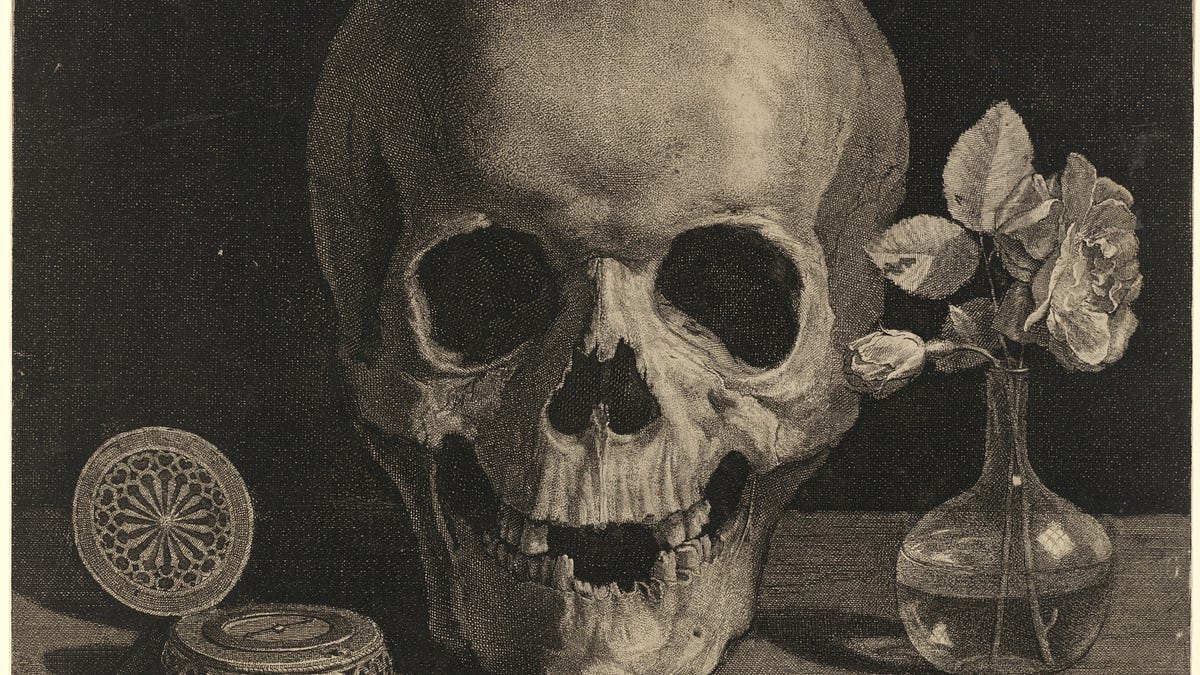
"Natural law calls for life and death. What is asked of us is not the creation of something that lasts forever, but one that serves to continue what came before us the way it takes monarch butterflies four generations to successfully complete their migration. In lieu of immortality, I favor the humility to know when to pass the baton."
Lian Sing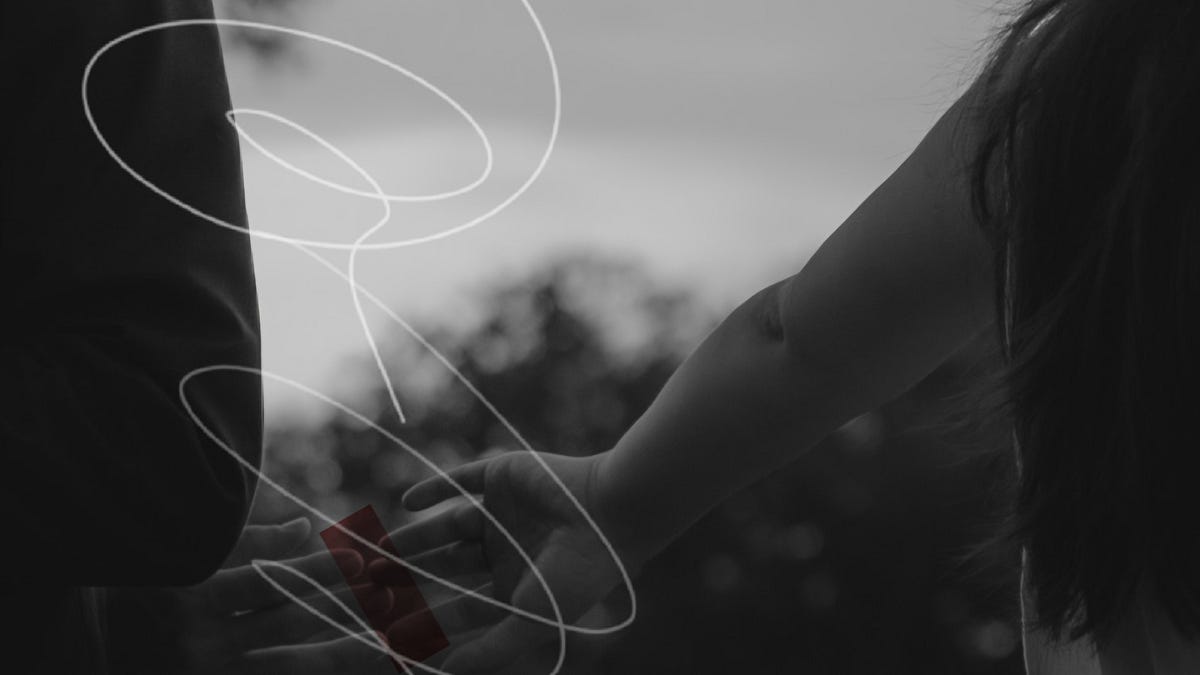
"A relationship is an everyday marvel. In the collision of two wholly different worlds — each with its own perspectives and mannerisms and histories — something is transformed. The subjects themselves change, and often, the collision changes everything else, too: family dynamics, institutional hierarchies, culture, finances, opportunities, purpose. I see now how sublime it is that we can know one another, and meet the world not alone, but together. This, to me, is too important to make frictionless. To automate, or somehow make easy."
Lian Sing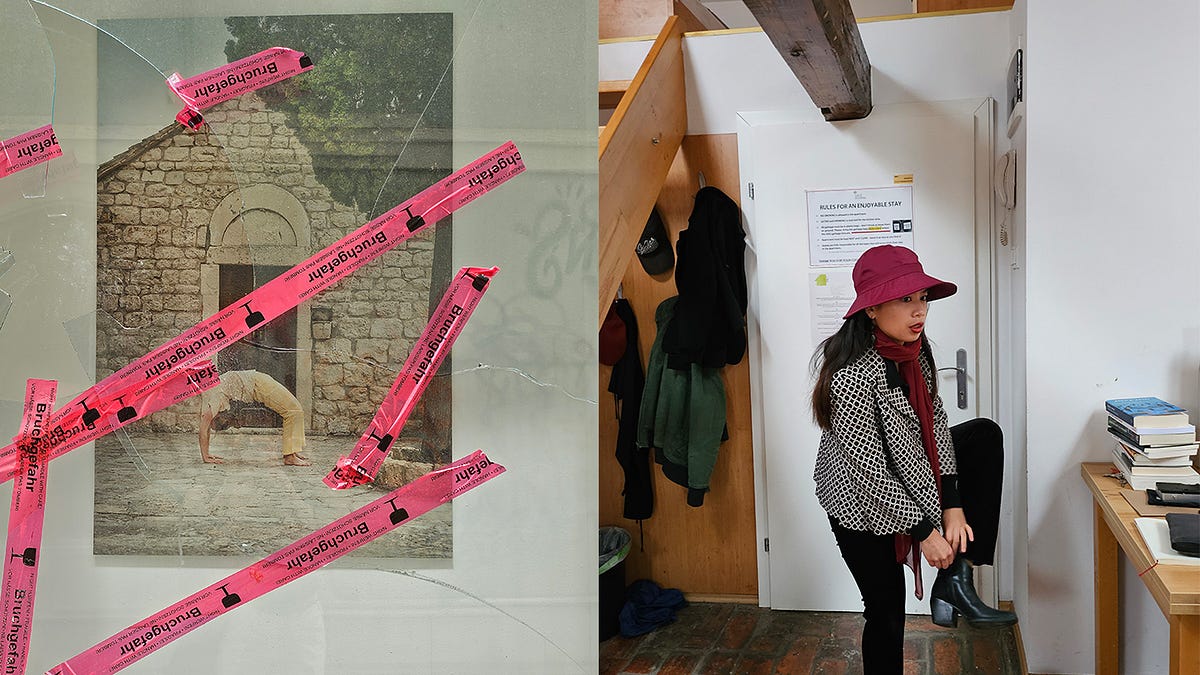
"I eventually caught on that walking isn’t just putting one foot in front of the other. Far from simply being a passive mode of transportation, walking is a way of being in the world. When I walk, bearing only my bag and the clothes on my back, I dissolve whatever barrier there is between myself and everything else. It is an inherently vulnerable act, and being vulnerable takes practice and preparation. Out there, I am seen."
Lian Sing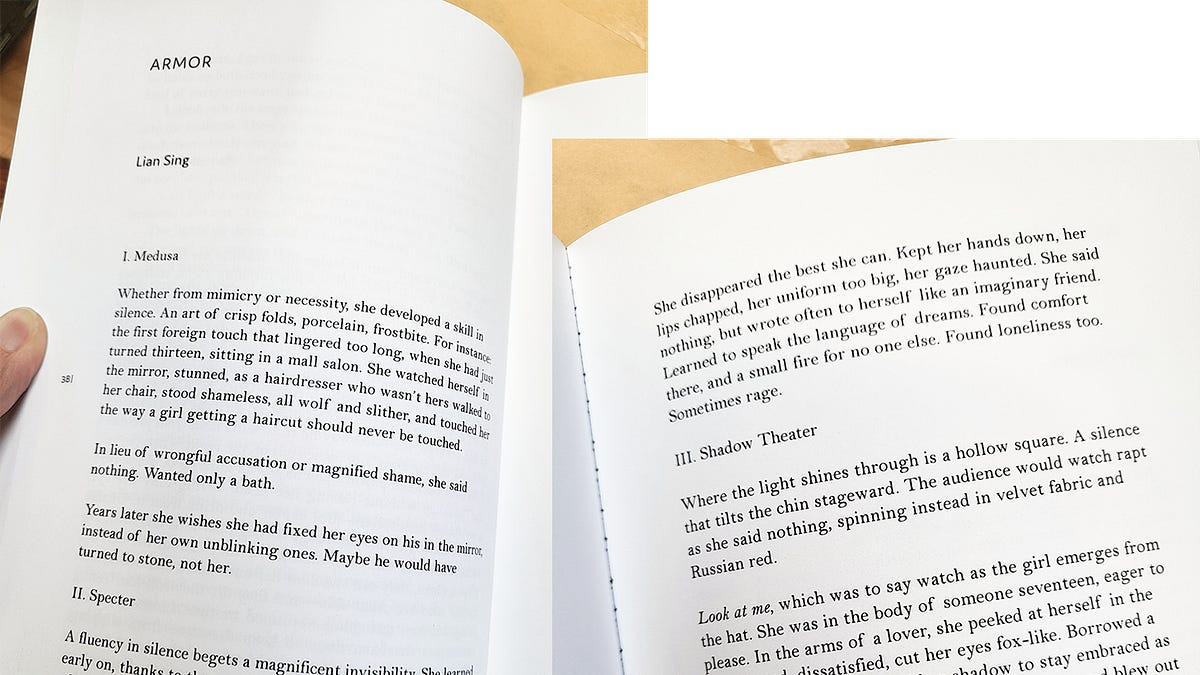
"For a long time, I’ve avoided calling myself a writer. It felt like a title I had to earn through achieving a number of publications (how many?), receiving accolades and workshop acceptance letters (from whom? from where?), or adopting habits that Real Writers had (like what?). Despite the obvious lack of metrics, I shackled myself to this irrational thinking. Never mind that I write for a living, or that I have been published, or that I spend a few minutes every day practicing some form of writing. I did not have a full-length publication or a Nobel Prize, so I was not a Real Writer."
Lian Sing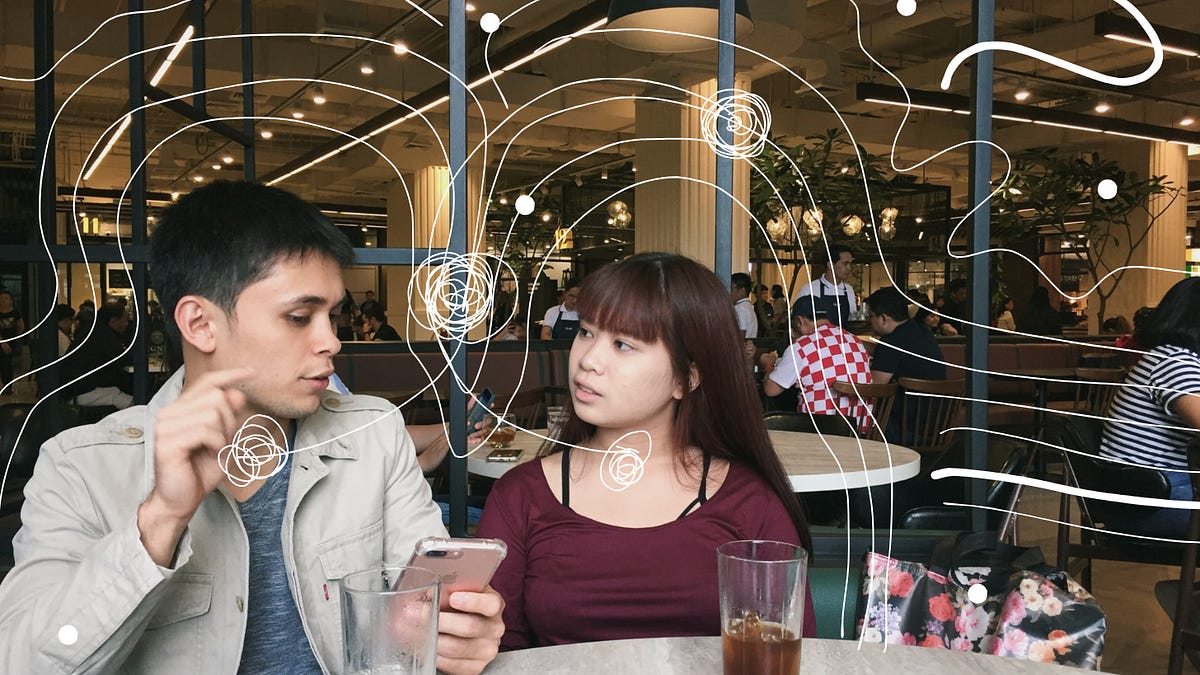
"Pre-understanding, as I’ve come to think of it, is nonverbal. Some knowledge — like muscle memory, musicality, even instinct — is registered by the body in a manner that my brain can’t quite yet articulate. Words still evade me, and I don’t yet have a concept to neatly wrap the experience within. This space is the metaphorical foyer or entryway in the house of my knowledge building: I walk in slowly, observing without judgment the color of the walls or the framed photos, or even the smell of the air. Here, I don’t yet acquire the full picture of the house, but it gives me a sense of what lies in the rooms beyond. It prepares me."
Lian Sing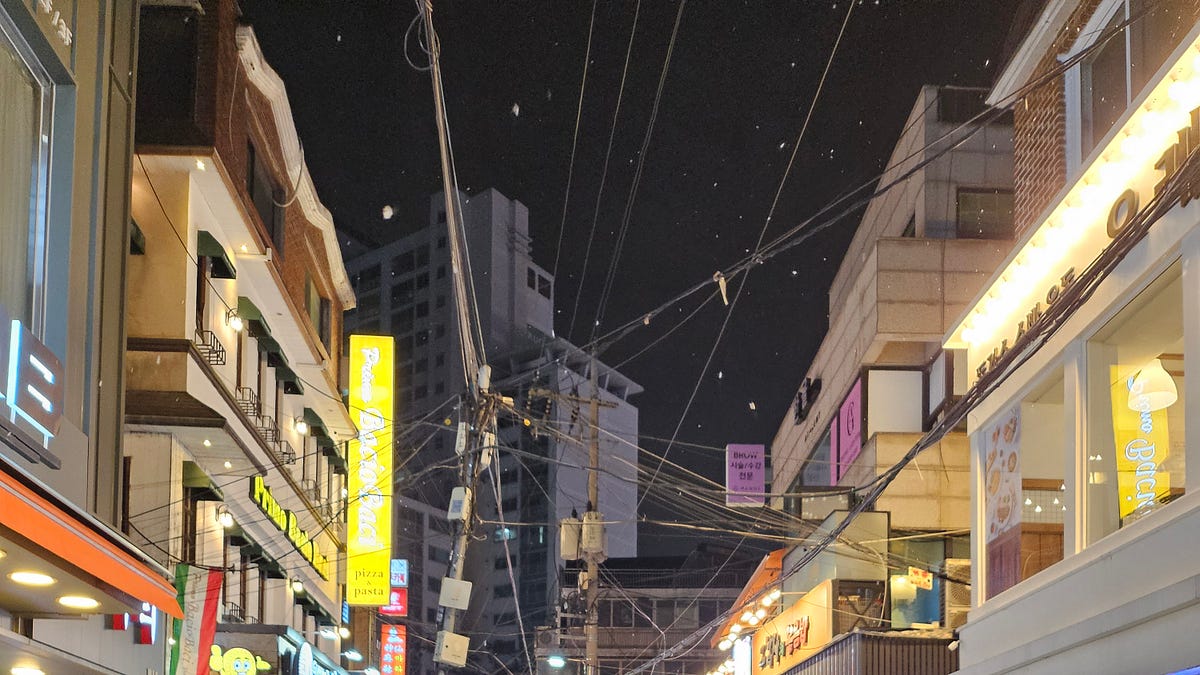
"More than ever, I felt myself truly at the helm of my life. Strangely, what all this taught me is to nurture my capacity for awe. To continue to feel astonishment. How can I ever stop marveling at the fact that so many interesting realities exist, and that I have had the honor of glimpsing into these fascinating, strange worlds? How can I when human ingenuity, acts of kindness, and the innocence of animals continue to thrive, even with so much horror, so much violence? Or when the meaning of home only continues to grow, like roots stretching wider and deeper into the earth? Or when, reuniting with friends or family I’ve been separated from for months, I find us all in the midst of seeking our purpose, creating genuine joy, and being of service where we can?"